
Depression is one of the most common and challenging mental health conditions worldwide. For many people, standard treatments such as antidepressants and talk therapy provide meaningful relief. But for a significant portion of patients, symptoms persist despite trying multiple approaches. This form of depression is known as treatment-resistant depression, and it has driven researchers and clinicians to explore novel strategies.
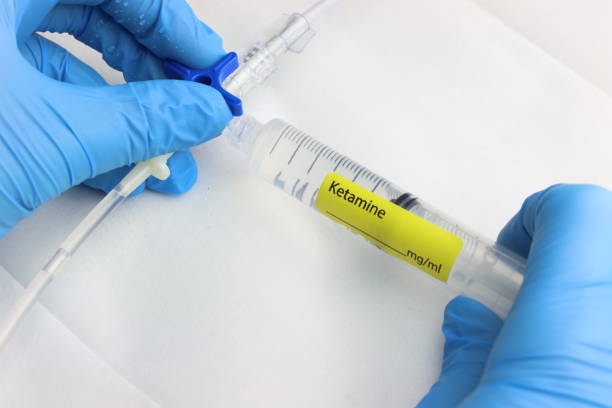
One of the most talked-about developments in recent years is ketamine therapy. Backed by growing scientific research, ketamine has captured the attention of the medical community for its rapid effects and potential to help patients who haven’t responded to traditional treatments. In this article we take a research-led look at how ketamine works, what studies show, and why it matters to people living with treatment-resistant depression.
What is Treatment-Resistant Depression?
Treatment-resistant depression is generally defined as major depressive disorder that doesn’t improve after trying at least two different antidepressant medications at adequate doses and durations. Patients with this form of depression often experience persistent symptoms such as pervasive sadness, cognitive slowing, loss of interest in daily activities, fatigue, and even suicidal ideation.
The complexity of treatment-resistant depression suggests that multiple biological, psychological, and environmental factors are at play. This complexity is one reason why standard therapies don’t work for everyone.
How Ketamine Works in the Brain
Ketamine’s mechanism of action is different from traditional antidepressants. While most antidepressant medications target serotonin, norepinephrine, or dopamine, ketamine acts primarily on the glutamate system. Glutamate is the most abundant neurotransmitter in the brain and plays a key role in neuroplasticity—the brain’s ability to reorganize itself by forming new neural connections.
Research shows that ketamine can rapidly enhance synaptic connectivity and increase levels of brain-derived neurotrophic factor (BDNF), which is essential for neuronal health and function. These effects can translate into improvements in mood and cognition within hours, a stark contrast to the weeks or months required for most antidepressants to take effect.
What Research Says About Ketamine’s Effectiveness
Clinical studies have demonstrated that ketamine can produce significant reductions in depressive symptoms for many patients with treatment-resistant depression. Some findings include:
- Rapid Onset of Action
Research shows that ketamine can reduce depressive symptoms within hours of administration, providing much faster relief than conventional medications. - Reduction in Suicidal Thoughts
Several studies have found that ketamine can rapidly reduce suicidal ideation, offering potential benefits for people in crisis. - Sustained Effects With Repeated Dosing
While a single ketamine session can provide quick relief, repeated treatments over several weeks may lead to longer-lasting improvements in symptoms.
These research findings have helped establish ketamine as an important option for patients who haven’t benefited from standard treatments.
Medical Supervision and Safety
It’s important to emphasize that ketamine therapy for depression isn’t the same as recreational use. In clinical settings, ketamine is administered in controlled, measured doses with medical oversight. Patients are carefully screened before treatment, and vital signs are monitored during sessions to ensure safety.
Some patients may experience mild side effects such as dizziness, nausea, or temporary dissociation, but these are usually short-lived and monitored by healthcare professionals.
A Personalized Approach to Care
Ketamine therapy is most effective when tailored to the individual. Physicians consider factors like medical history, current medications, and symptom severity when designing a treatment plan. Many providers also recommend integrating ketamine with psychotherapy and ongoing support to help patients process emotional shifts and build resilience.
For people exploring this option in California, a qualified provider offering a ketamine infusion San Diego CA can ensure that treatment is delivered with medical supervision, personalized care plans, and safety protocols that prioritize patient wellbeing.
What This Means for Patients
For people living with treatment-resistant depression, ketamine therapy represents more than a new treatment. It represents hope—a possibility for relief where other options have failed. While not a cure-all, ketamine opens doors that were previously closed for many patients.
As research continues, scientists are learning more about how to optimize ketamine’s benefits and how it might be combined with other therapies to improve long-term outcomes.