
Every major transition in life, from relocating to starting a new chapter, requires clarity about what you can handle on your own and what needs thoughtful preparation. This is especially true for moves that involve more than clothes and kitchenware. Knowing where to draw the line between what you can physically carry and what you must carefully plan makes the entire process calmer, safer, and more intentional. This article explores how setting boundaries early can reduce stress and protect your energy and belongings.
Understanding the difference between carrying and planning
Carrying something implies immediacy and direct control. It is the act of packing a bag, lifting a box, or loading items into your car. Planning, by contrast, involves foresight, coordination, and often professional support. It applies to items that require secure handling, careful timing, or specialised equipment.
Recognising this distinction helps prevent overcommitment and avoids last-minute pressure.
Start with an honest inventory
Clear boundaries begin with a clear picture of what you own. Create an inventory and group items into simple categories:
- Items you can carry yourself, such as clothing, documents, and everyday essentials
- Bulky or fragile items like furniture, artwork, and heirlooms
- Specialised or high-value items such as vehicles, tools, or sports equipment
This process quickly reveals which belongings are manageable and which require planning.
Recognizing what you can carry
Items you carry yourself tend to share a few characteristics. They are portable, not overly heavy, and unlikely to be damaged through normal handling. These are things that fit easily into personal vehicles and can be moved without special equipment or assistance.
Keeping these items close also provides comfort during transitions, as essentials remain within reach.
Identifying what you must plan for
Some belongings deserve more than physical effort. They need structure, timing, and expertise. This includes large furniture, appliances, and vehicles.
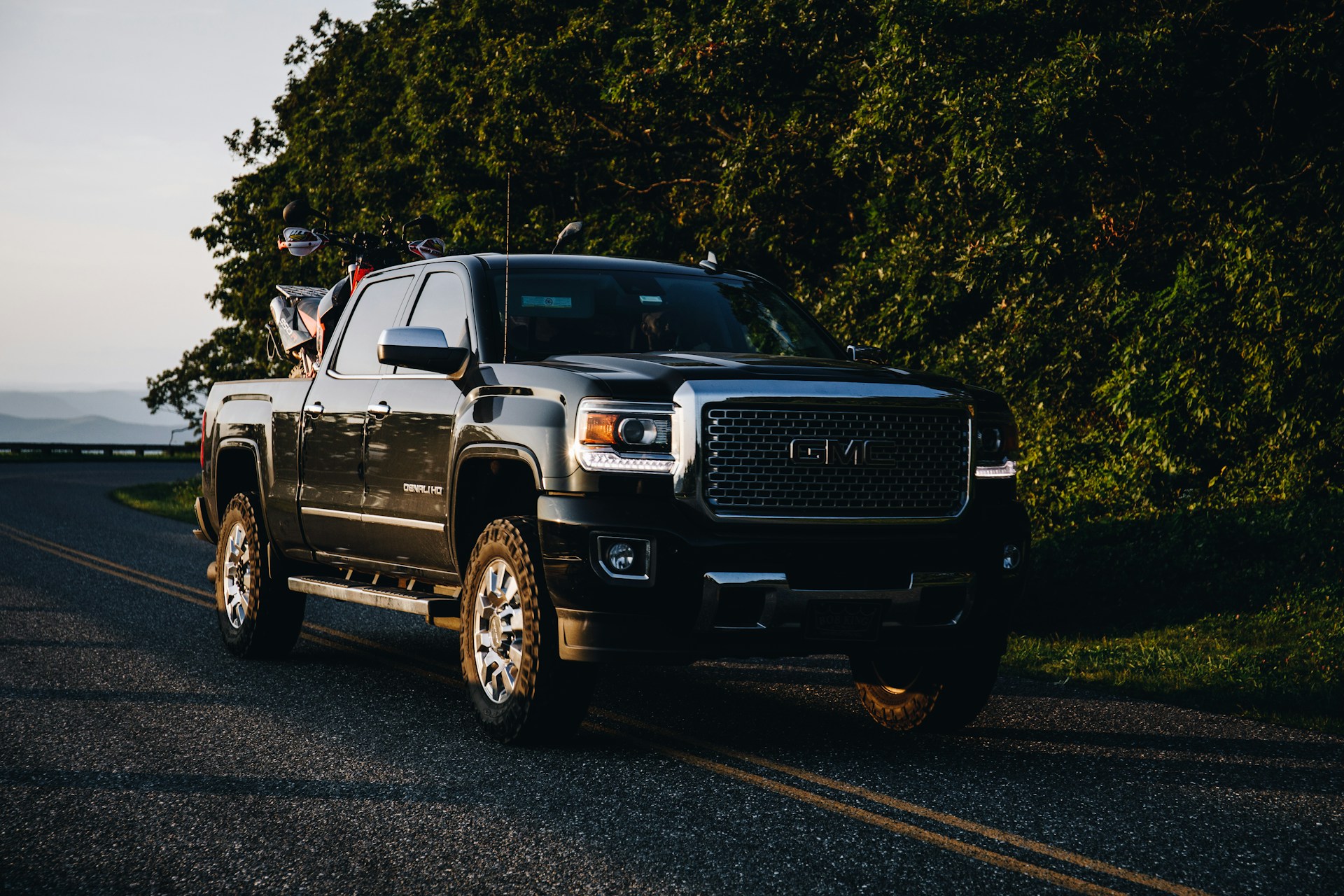
Motorcycles are a clear example. They require proper securing, balance, and protection during transit. Attempting to move them without planning can increase the risk of damage. Services such as New Jersey vehicle transportation exist precisely to manage these complexities safely and efficiently.
The emotional side of setting boundaries
Planning is not just logistical. It is emotional. Some items feel personal enough that people want to handle them themselves, even when doing so adds risk or stress. Pausing to reflect on why something matters helps guide better decisions.
If professional planning reduces anxiety and protects something meaningful, it is often the more responsible choice.
Knowing when to bring in support
Planning does not mean giving up control. It means choosing support where it adds value. Outside help is especially useful for:
- Heavy or awkward items
- Fragile or irreplaceable belongings
- Vehicle transport
- Tight timelines or long-distance moves
Professionals bring experience and equipment that most people simply do not have access to.
Budgeting for what requires planning
Items that need planning usually come with costs. Factoring these into your budget early removes uncertainty. Consider distance, handling requirements, and timing when estimating costs.
When these factors are acknowledged upfront, decisions feel deliberate rather than reactive.
Balancing efficiency with care
Not everything needs professional involvement, but not everything should be handled alone either. Drawing clear boundaries allows you to protect what matters without overcomplicating the move. Efficiency comes from knowing where your effort is best spent.
Final thoughts
Transitions feel lighter when responsibility is shared wisely. By separating what you can carry from what you must plan, you reduce strain and increase confidence. Thoughtful preparation respects both your limits and the value of what you own, setting the tone for a smoother and more grounded move forward.